
They can be big, bulky and take up valuable shelf space in an archery pro shop. Without careful planning, they easily become an expensive investment that is an albatross around the necks of shop owners, draining their bottom line. We’re talking about backpacks — that vast array of models used by millions of archers across the country.
Today’s backpacks aren’t just for hauling competitive archery and hunting gear — they’re intricately designed, high-tech pieces of equipment that are comfortable to wear, transport a plethora of gear, make gear readily accessible and can elevate performance on a 3-D course or in the woods.
If your business doesn’t carry backpacks or is hesitant to offer more than one or two cheaper models, let’s look at the many benefits of selling backpacks for today’s pro shop. We’ll also review the challenges of stocking packs and turning consistent profits, and how to overcome them. Finally, we’ll provide valuable recommendations from pro shops that successfully sell packs and from product manufacturers who know what it takes to move backpacks, generate revenue and meet customers’ needs.

Benefits
Stocking and selling high-quality backpacks brings a variety of advantages. The most apparent is that everyone from competitive archers to avid bowhunters uses them.
“All archers want a good, functional pack that is lightweight,” said Jared Weaver, general manager for Capital Sports in Helena, Montana (shopcapitalsports.com). “Out West, the ability to pack out your kill is a necessary feature in a backpack for bowhunters, and today we’re seeing more competitive archers using backpacks designed with features like a bow holder and built-in quiver.”
Sure, there are still some bowhunters who load up their pockets with equipment instead of using a backpack to transport gear. Heck, when I was a young hunter, we used milk crates to haul supplies and equipment to the blind. But over the past 10-15 years, manufacturers have revolutionized the industry, offering highly functional packs for discerning archers. If they haven’t recently shopped for one, some customers are unaware of the technical features today’s backpacks offer — and that’s where your knowledgeable, friendly pro shop comes in.
“Customers benefit from a pro shop that sells user-friendly packs for hunters,” explained Blake VanTussenbrook, director of marketing for Badlands, a company offering an unconditional lifetime warranty on backpacks (Badlandsgear.com). “Smaller pro shops are passionate about what they sell, and selling a backpack is very valuable to customers because staff take time explaining the features that backpacks have for today’s hunters.”
In addition, soft goods such as backpacks can produce solid profits.
“We see 30- to 40-point profit margins for most of our packs and pack accessories,” said Austin Andrews, e-commerce manager for Rexburg, Idaho-based Mountain Archery (mountain-archery.com). “There are also many add-on accessories that pack companies sell that can result in additional sales, because many customers want complete pack systems.”
Experts I spoke with all indicated similar profit margins on backpacks, with some consistently finding 40%, and even 50% on high-end packs.
Unlike a lot of archery equipment, where sales often peak at certain times of the year, backpacks can generate more consistent sales.
“For a small, mom-and-pop pro shop, it can be feast or famine if they’re just selling archery equipment,” said Bill Hahn, vice president of operations for Jay’s Sporting Goods in Clare, Michigan (jayssportinggoods.com). “Backpacks are a valuable tool in the toolbox of hikers, hunters and competitive archers that sell all year.”
There are times of the year when sales tend to pick up for different pack types, and savvy pro shops are ready to meet their customers’ needs. Kurtis DeYoung, archery technician at Long Range Archery and Firearms (longrangearchery.com), has found sales spike in the spring, when draw results come out for western hunts, and again in late July and August, before bowhunting season commences in most states. New packs just stocked in the Holland, Michigan-based shop also move faster, as customers get excited over the latest designs and features manufacturers put into the latest packs.
“Part of being a successful shop is just being a complete destination for customers,” DeYoung explained. “Customers being able to get the right equipment at your shop means they don’t have to go multiple places, keeping it simple, which is what customers want.”
DeYoung’s point about being a complete archery destination is worth emphasizing. When a customer has to go elsewhere to get a backpack or other gear, you run the risk of losing future sales on other equipment the customer will need.
Offering packs also gives your staff a chance to become backpack experts, advising clients on the right pack that fits their needs. Hahn also noted that selling backpacks gives your shop an opportunity to provide outstanding service after the sale, helping customers resolve any issues they may have with their pack.
Challenges
For most archery shops, the biggest challenge in carrying backpacks is limited shelf space. Today there are just too many brands and models of packs, and you can’t carry them all. As VanTussenbrook noted, most archery shops want to grow and take care of customers’ needs but are concerned about expanding into different products.
“A lot of the money shops can spend is tied to bows and bow accessories, so there’s a limit on soft goods they can put on shelves,” he said. “If they don’t have the confidence they can move backpacks, that’s money that stays on their books.”
Sometimes one of the first challenges archery shop managers and staff face is convincing the owner that backpacks are critical equipment their business needs to provide.
“The owner of a small pro shop is often very hesitant to spend $800 on something they see as a cost, when it’s really an investment,” explained Jim Brunette, archery manager for Northwoods Wholesale Outlet in Pinconning, Michigan (northwoodsoutlet.com). “You can overcome their hesitancy by developing good sales and marketing plans, and working closely with manufacturer representatives to demonstrate the benefits of selling backpacks.”
Another challenge is training staff to sell backpacks and maintaining a knowledgeable, skilled sales group, as pack designs and features can change annually.
“It’s very important that you regularly train sales staff on the specifications and features of all the packs you carry, and how to properly fit each pack to the customer,” Andrews explained. “We see a lot of people coming in and not liking their pack because it’s not been fitted to them properly.”
Customers vary significantly in their knowledge of and experience with packs, so it’s critical that sales assistance be carefully tailored to how much each customer knows about and how they’ll be using backpacks. And some industry insiders have found it challenging to explain to novice customers the importance of using a top-notch pack that provides increased functionality and better value for archers.
“It can be hard to demonstrate why a $300 pack is better than a $200 pack, and also the differences among packs, in a short period of time,” DeYoung added. “It takes time to explain pack features, pack differences and build trust with customers to get the right gear for them.”
It’s also crucial that sales members take the time to talk with customers and ask questions to get a solid picture of what they need their pack to do for their outdoor pursuit.
“Trying to get each customer to think of what they’ll need before they’re out there can be challenging” said P. J. Reilly, technical writer for Lancaster Archery (Lancaster, Pennsylvania, lancasterarchery.com). “Help them understand what they’re going to be doing and what they actually need. For newer customers, they may talk about a pack that is really overkill for what they need, so try to educate them, which can help build their trust and lead to future sales.”
If you’re just starting to offer backpacks or want to expand, Hahn emphasizes the importance of being patient in evaluating sales. Your investment might initially provide slow returns until people realize you’re now selling the pack(s) they want. Advertising doesn’t need to get expensive, but it’s important clients know to come to your shop for the latest backpacks that meet their needs (see sidebar).

Successful Strategies
Like with any product, selling backpacks starts with recognizing who your customers are and the packs they need. All experts I interviewed stressed the importance of knowing your customers. Listen to customers and let their preferences guide purchasing decisions on which packs to carry.
The sheer volume of pack models and styles can be overwhelming and make stocking decisions difficult. Also, preferred pack designs and features vary regionally. For example, Midwestern hunters need more daypacks for whitetail hunting, while Western hunters often want larger packs for multi-day backcountry hunts. Start by stocking just a few moderately priced models and one or two higher-priced packs. Instead of carrying a huge stock of camouflage packs, several experts noted packs in earthtones and/or neutral colors sell well and have appeal for different activities.
“One of the biggest mistakes a shop can make is selling cheaper packs just to make a sale,” Brunette said. “Those packs don’t last and will often fail in the field, which can lead to customers not trusting your recommendations for future purchases.”
Also, bigger box stores often sell cheaper packs, putting your store at a competitive disadvantage with these corporate-owned retailers that make profits through voluminous sales.
As with any other piece of archery equipment, it’s critical for sales staff to understand and be able to explain to customers each backpack’s features, focusing on a pack’s capacity and organization, comfort and wearability, durability and materials, and specialized functions. Here, manufacturers’ online video tutorials and sales representatives are key resources. Bring representatives into your shop for staff training and promotional events. Doing this can pay huge dividends in not only sales and customer service, but in securing favorable purchasing terms on future orders. Look for companies that stand by their products by providing product warranties and timely repairs. It’s also critical to know the company you’re really working with.
“Today there are huge conglomerates that own many different types of businesses, so it’s important to truly know who you’re buying from,” DeYoung explained. “The name on the pack isn’t always the company you’re buying from.”
Several experts recommend partnering with manufacturers that don’t undercut minimum advertised prices or that will make up the difference to you in future purchase orders. Also look for manufacturers that will fill special orders in a timely manner with no minimum order requirements. And partner with companies that appreciate and promote smaller archery shops.
“Some companies let you be a dealer without stocking a lot of their backpacks and will do drop shipments,” noted Hahn. “Get with the vendor to make sure you’re on their online dealer locator, which helps promote your shop.”
Merchandising is key to selling backpacks. Display packs in high-traffic areas during peak sales months and check that sales staff are actively selling the products.
“Place an inflatable air bag in the main compartment of a backpack located on the outside peg to demonstrate its carrying capacity without weighing it down,” said Zac Crawford, national sales manager for Badlands.
Finally, like with any other product you sell, let outstanding sales and service be what sets your shop apart from other stores, making backpacks another reason to visit your shop. You’ll grow your business and solidify your pro shop as THE place to go for all archery-related needs.

Sidebar: Inexpensive Marketing
You don’t need to spend a lot on advertising to sell backpacks. One of the best ways to move backpacks is with a team of knowledgeable sales staff who use the packs, as bowhunters are more likely to take the advice of sales personnel who hunt with the packs they sell. They can also point out design flaws of cheaper packs you don’t sell, helping to guide purchase decisions.
“Many of today’s packs are made with rigid fabric that don’t collapse down when empty, making it easier for deer to spot you when they see a big object in a tree,” explained John Eberhart, author, bowhunter and former independent sales representative (deer-john.net).
Also use point-of-purchase displays and make regular use of social media sites to market new backpacks. Finally, collaborate with backpack manufacturers to obtain professionally made promotional materials and signage.
Sidebar: Taking Care of Modern Bowhunters
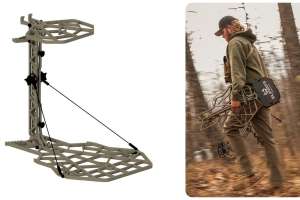
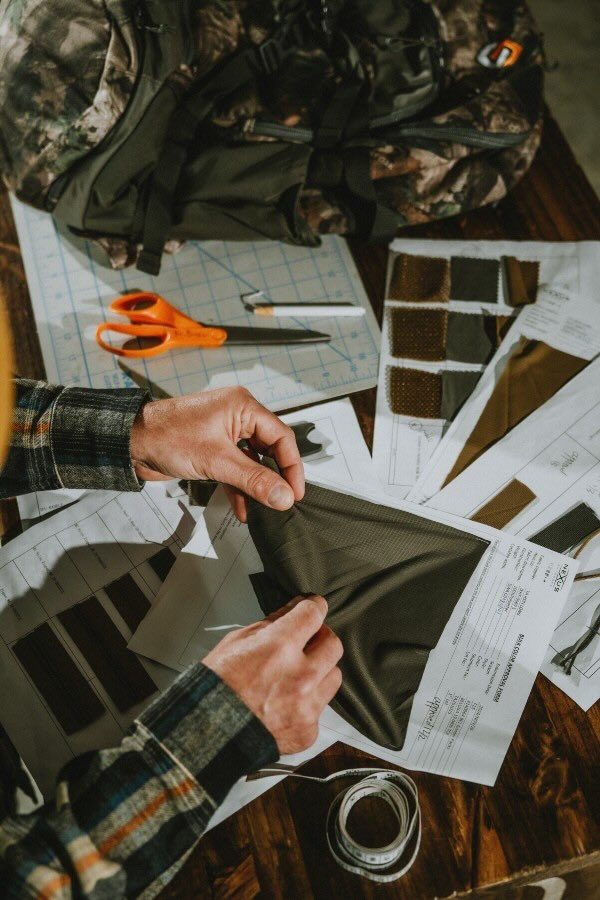
Successful bowhunters know that a backpack isn’t just a bag for carrying equipment — it’s part of an integral hunting system. Whether you’re catering to saddle hunters or archers who need their backpack to carry climbing sticks and a treestand, today’s hunters keep it mobile when pursuing deer and other game. Savvy archery shops recognize this to meet hunters’ needs.
“A backpack is really a functional necessity for carrying your apparel and equipment into the woods as quietly as possible,” said Steve Allie, director of marketing for Nexus Outdoors, makers of ScentLok apparel and gear (nexus-outdoors.com). “While our backpacks and apparel address the needs of the scent-conscious hunter, all packs need to be made of quiet materials that enable hunters to quickly access all their gear with minimum movement.”
Just as a good pro shop listens to its customers and adjusts to meet their needs, stock backpacks from companies that have a history of adapting and incorporating features consistent with hunting trends and that help today’s hunters be more successful.